
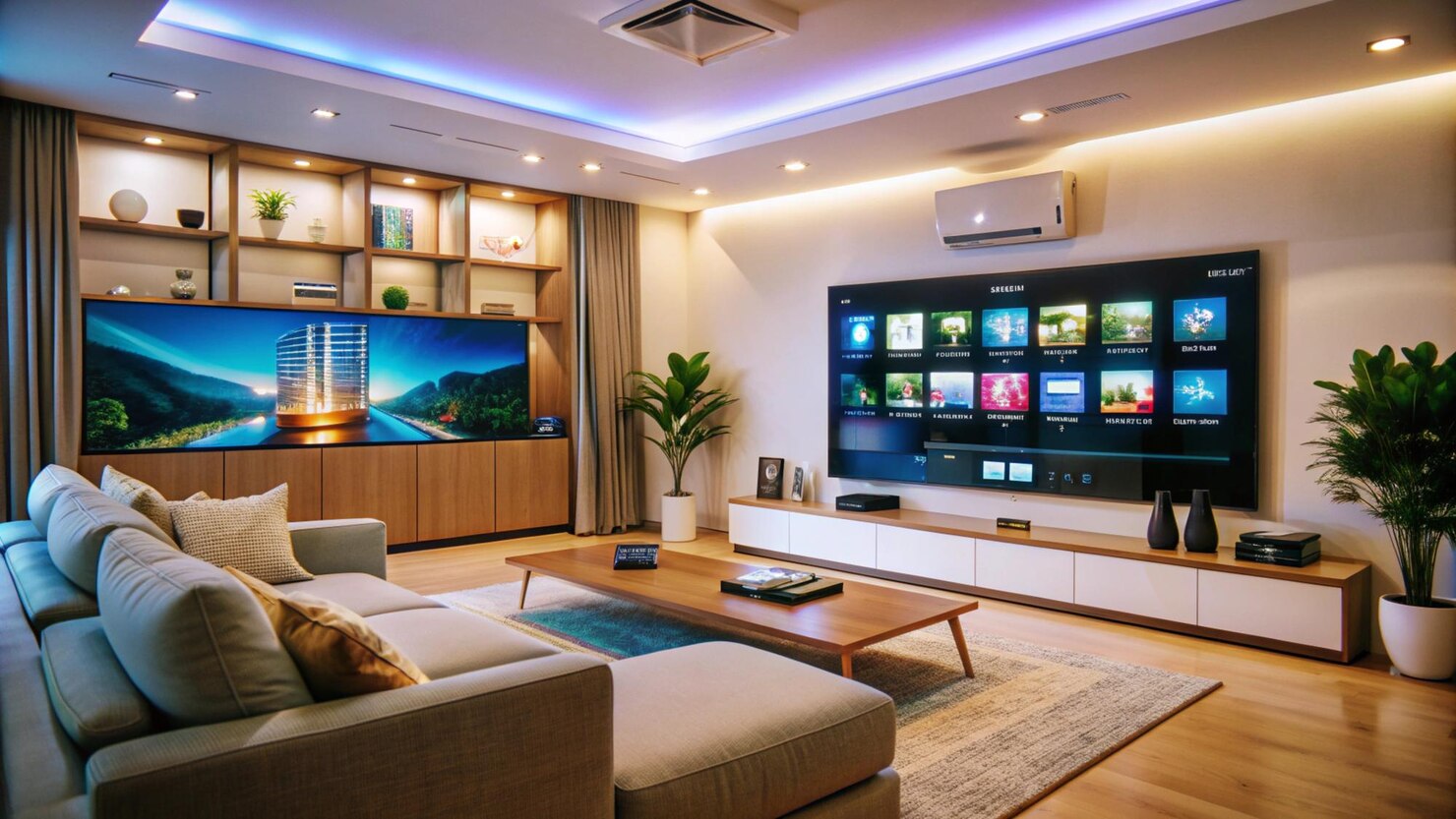
Wall-mounting a television can improve the appearance of a room, create more usable space, and help organize your entertainment setup. But getting a secure, level, and attractive result involves more than attaching a bracket to the wall.
The wall construction, television size, mounting hardware, cable routing, and location all affect the installation process.
If you are planning to hire a professional TV mounting service, knowing what to ask beforehand can help you compare options and avoid unexpected costs.
1. Check the Installer’s Experience
Start by asking whether the installer has experience with televisions similar to yours and the type of wall in your home.
A mounting job on a suitable wood-stud wall may involve different requirements from one on brick, concrete, or another masonry surface. The installer should understand how to identify appropriate support points and select compatible hardware.
Useful questions include:
- Have you installed TVs of this size and weight before?
- Can you work with my wall type?
- Will you check for wiring or pipes before drilling?
- Do you have examples of previous installation work?
- What does your installation service include?
Clear answers can help you understand whether the service matches your requirements.
2. Understand Your Wall Type
Wall construction is one of the most important factors in a safe TV installation.
Common wall types include:
Wood-stud walls: The mounting bracket generally needs to be secured to suitable structural support using compatible hardware.
Concrete walls: Installation requires appropriate masonry fasteners and tools designed for the specific surface.
Brick walls: The installer must assess the brick and mortar condition and choose a suitable anchoring method.
Metal-stud or specialty walls: These may require specific mounting systems or additional planning based on the wall structure and television load.
Do not assume that standard drywall anchors can support a heavy television. If you do not know what is behind the wall, mention this when requesting a quote.
3. Choose the Right TV Mount
Not every wall bracket works with every television.
A compatible mount should support the television’s weight, match its mounting-hole pattern, and provide the movement you want.
Common options include:
- Fixed mount: Keeps the TV close to the wall for a simple, streamlined appearance.
- Tilting mount: Allows the screen angle to be adjusted vertically.
- Full-motion mount: Allows compatible televisions to swivel and extend away from the wall.
Consider where you normally sit, whether you need access to rear connections, and how much clearance is available around the screen.
Check the television manufacturer’s specifications and the mount’s compatibility requirements before purchasing a bracket.
4. Ask About Cable Management
Visible cables can make an otherwise attractive installation look unfinished. Before booking, discuss how the power, HDMI, antenna, network, and other cables will be arranged.
Possible solutions include surface-mounted cable covers, organized routing behind furniture, or concealed cable pathways where appropriate.
However, concealing cables inside a wall requires attention to electrical codes and the type of cable being used. Standard power cords should not simply be routed inside a wall unless the installation method is specifically permitted for that purpose.
Ask the installer which cable-management options are available and whether additional materials or work will affect the price.
5. Find Out What the Price Includes
TV mounting prices can vary depending on the job. A straightforward installation may cost less than one involving masonry drilling, a full-motion bracket, concealed cable routing, or additional equipment.
When requesting a quote, confirm whether the price includes:
- Labor and standard installation materials
- Bracket installation and television mounting
- Leveling and basic positioning
- Cable organization
- Additional drilling or specialty wall hardware
- Travel charges, if applicable
- Removal of an existing mount or television, if needed
Ask for clarification about extra charges before the work begins. A written quote makes it easier to understand the expected scope and compare different providers fairly.
6. Plan the TV Position Before Installation
Think about where you want to watch from before the installer arrives.
Consider your normal seated eye level, viewing distance, room lighting, nearby windows, furniture, and any soundbar or entertainment equipment.
You should also decide whether the television needs to swivel toward another seating area or remain fixed in one position.
Discuss the intended placement with the installer before drilling. Reviewing the location together can help prevent unnecessary adjustments later.
7. Prepare the Room for the Appointment
A little preparation can help the installation go smoothly.
Before the appointment:
- Clear the space around the intended mounting wall.
- Make sure the television and bracket are accessible.
- Identify nearby power outlets and cable connections.
- Share any concerns about concealed wiring or plumbing.
- Let the installer know if the wall has unusual finishes or damage.
- Arrange access to the room and the intended work area.
If the television is already installed, ask whether you should leave it in place until the installer arrives.
8. Check the Finished Installation
Before the installer leaves, review the completed work.
Confirm that the television is level, the bracket feels secure, the screen sits where you agreed, and the required connections are working.
Check that cables are arranged as discussed and that any adjustments or movement supported by the bracket work as expected.
Ask for guidance on safely adjusting the mount, if it is a tilting or full-motion model. Avoid forcing the television or bracket beyond its intended range.
Final Thoughts
Hiring someone to mount your TV should begin with a clear understanding of the wall, mounting hardware, preferred screen position, cable-management needs, and total cost.
Asking the right questions before booking helps you choose a service that fits your room and expectations. It also gives the installer a better understanding of the job before arriving.
Looking for help with your TV installation? Contact our team to explain your setup, discuss your mounting requirements, and request a quote.